
Property Management Ticketing Software: 3 Ways to Improve Request Management


Property management ticketing software centralises occupant requests and tracks maintenance and service work across one or more buildings. It helps managers see who is carrying out the work, at which site, and the status of every request.
In rental property management and property management more broadly, the aim is to connect occupants, managers and service providers through a shared history.
The challenge: managers often have to coordinate large numbers of requests, service providers, sites and disconnected tools.
Three uses provide a framework for this coordination: centralising reported issues, automating certain follow-up tasks and managing operations using recorded requests.
1. Centralise and track requests across your property portfolio
Managing one or more sites involves a substantial volume of maintenance and service requests:
Equipment repairs
Preventive maintenance
Reporting faults and anomalies
Cleaning, access, security and office moves
When requests arrive by email, telephone or through different tools, it becomes difficult to:
Track deadlines
Identify urgent issues
Measure service quality
Prioritise maintenance and service work
With ticketing software:
All requests are centralised in a single interface
Forms and the service catalogue structure how requests are submitted
Depending on the configuration, certain requests can be sent directly to the relevant service providers
Every stage is recorded and time-stamped, from the initial report to resolution
Illustrative example: an occupant reports a leak at their site. The manager finds the request in FollowMe, organises the work and monitors its progress. Reporting via QR code and direct routing to the service provider depend on the connectors and configuration selected.
The result: time savings, greater visibility and faster responses across the property portfolio.
2. Automate recurring requests and follow-ups
Property management ticketing reduces certain repetitive tasks through recurring requests and reminders. In FollowMe, the scheduling module generates recurring requests, which are then processed and sent to the people carrying out the work.
For example, you can:
Automatically generate preventive maintenance tickets, for example every quarter
Schedule statutory inspections at fixed intervals
Use automatic reminders and follow-ups to track pending tasks
Organise approval workflows around the process you have chosen
Use dashboards and Excel exports to prepare reports
By automating your processes, you:
Reduce administrative workload
Avoid overlooked tasks
Track your contractual commitments and service level agreements (SLAs)
Reduce costs associated with delays or poor planning
Use case:
Illustrative example: a manager schedules recurring requests for air-conditioning maintenance. When a fault is reported, they consult the available history before discussing it with the service provider. The effect on the frequency of breakdowns must be measured using actual site data.
3. Monitor property performance with real-time data
Ticketing does more than resolve problems. It also helps you manage your property strategy using reliable, centralised data.
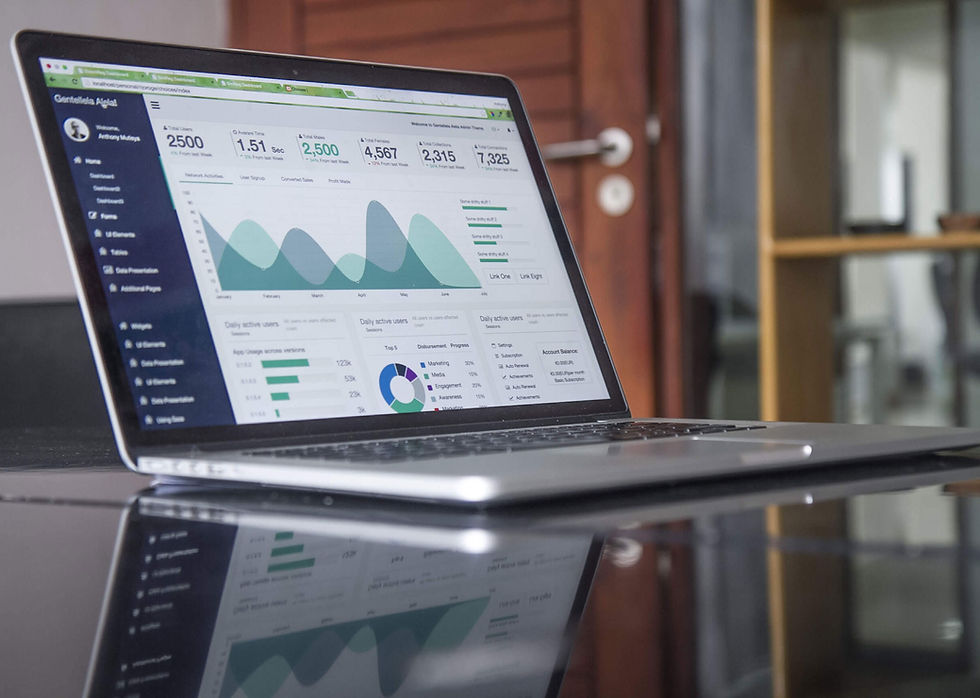
FollowMe provides dashboards, graphical indicators and Excel exports. The indicators to track depend on the data recorded and the manager's objectives:
Key performance indicators:
Number of open and closed tickets by site or type
Average resolution time
SLA compliance by service provider
Breakdown of requests by site, priority and category
Employee or occupant satisfaction rate
With this data, you can:
Identify sites experiencing problems
Renegotiate maintenance contracts
Reallocate budgets to reflect conditions on the ground
Make decisions based on facts rather than impressions
Example:
Illustrative example: one site accounts for more air-conditioning reports than others. The manager reviews the history with the service provider to distinguish between equipment, usage and maintenance issues before deciding what action to take.
Why use SaaS software for property management ticketing?
SaaS ticketing software such as FollowMe offers significant advantages for property managers:
Access across multiple sites
All your sites, employees and service providers can access the same tool, wherever they are.
Rapid deployment
No complex infrastructure is needed. The system can be operational within a few days.
Automatic updates
You continuously benefit from the latest platform developments.
Security and compliance
Data is hosted on secure servers in accordance with the GDPR.
Interoperability
FollowMe can exchange data with business software. Each integration project must be assessed according to the tools involved, the data to be shared and the technical requirements.
Three ways ticketing improves property management
Transformation | Benefits |
Centralised requests | Greater visibility and faster responses |
Workflow automation | Lower costs and less manual work |
Data-driven management | A better property strategy and informed decisions |
Take the next step
Your property management deserves more than a shared spreadsheet.
Discuss your organisation, sites and request-handling workflows during a demonstration to identify the uses and configuration that suit your needs.

Comments